
01–03MONTHS
Habits become visible.
Focus, listening, better training behavior, and field awareness begin to change.

The long development route
The process is not a race to the next team, trial, or result. It is the willingness to learn, repeat, listen, improve, and stay connected to humility, effort, ambition, respect, and teamwork.
The development clock
Each stage prepares the next. Progress is measured by what the player can repeat, understand, and transfer to real play.
01–03MONTHS
Focus, listening, better training behavior, and field awareness begin to change.
03–12MONTHS
First touch, positioning, decision-making, and confidence become more consistent.
01–03+YEARS
The game slows down. Leadership, adaptability, and a recognizable football identity emerge.
Why this system
Speed without understanding creates rushed decisions, lost possession, and disconnected teams.
The game is played with understanding. Players learn to scan, recognize the moment, and choose for the good of the team.
We stay with the basics longer because the basics become the difference when the level, speed, and pressure rise.
Confidence, composure, and consistency come through repetition, patience, accountability, and mastery of the details.
One Player · One Standard · One Difference
Statistics can support development, but they cannot define it. A player is more than goals, assists, minutes, speed scores, or match ratings.
Real development appears in the details statistics often miss—the intangibles that change the player and, eventually, the level of the entire environment.
A cleaner first touch, a smarter decision, or movement without the ball that creates space for someone else.
Body language that stays composed, communication that remains useful, and the courage to ask for the ball again.
The extra run, the disciplined recovery, or the simple pass that raises the standard for every teammate.
Preparation, effort, curiosity, and the discipline to do the work properly even when no one is applauding.
Leadership lives in preparation, effort, body language, communication, and the way a player responds when the moment becomes difficult. Every player carries that responsibility.
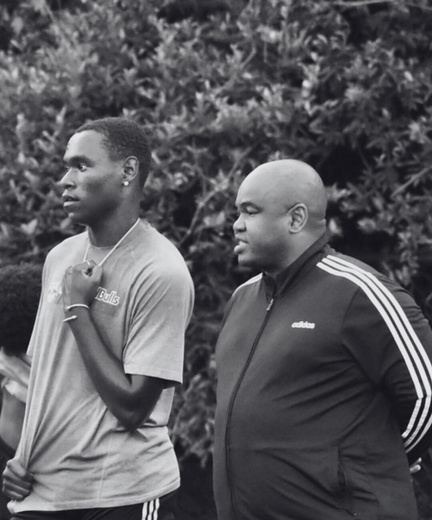
The real outcome
“Character is built in the moments no one applauds.”
It is how a player responds after a mistake, handles disappointment, treats teammates, accepts coaching, and continues to work when progress feels slow.
Choose the right demand
Tier 1 and Tier 2 carry the performance pathway. Tier 3 establishes the habits required to enter it.