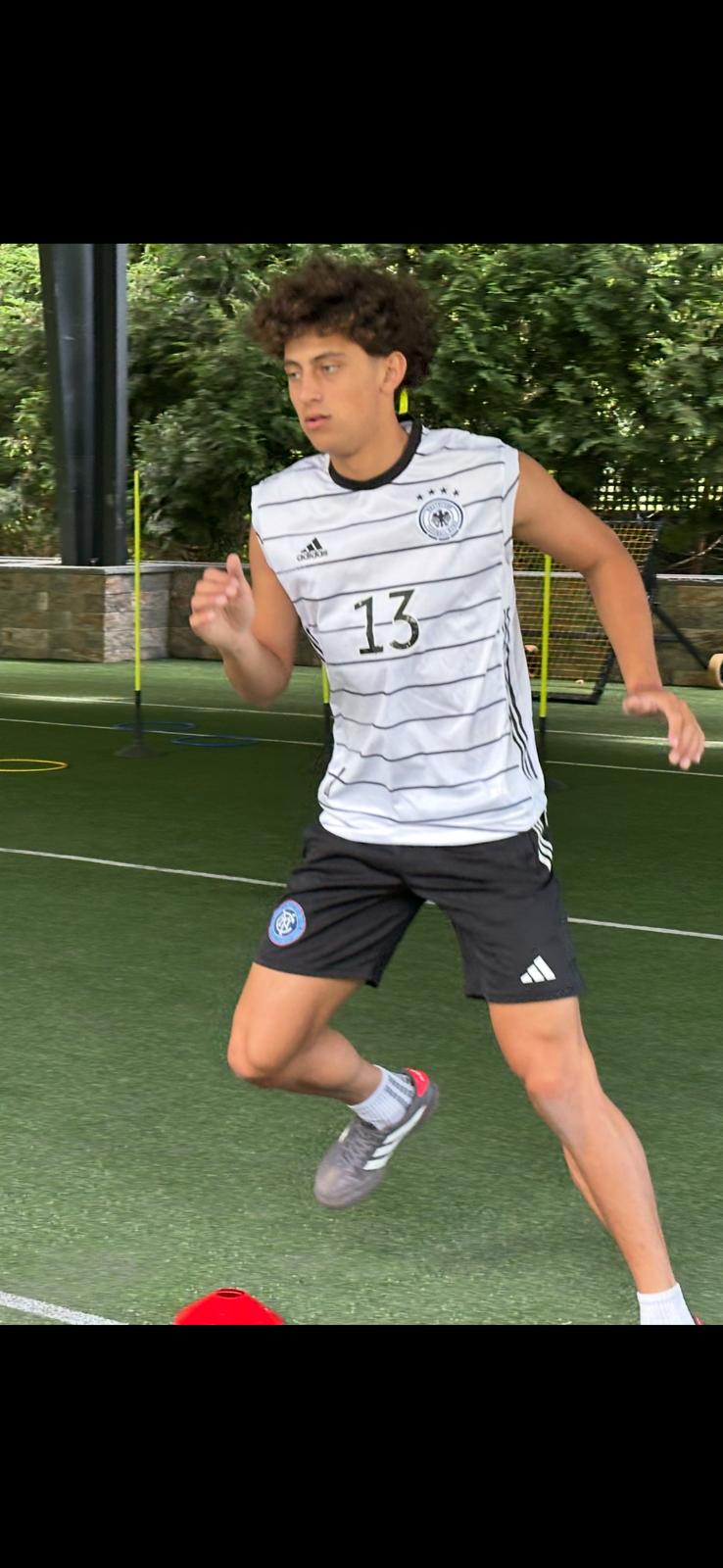
A young player developing movement and technique in training

Tier 2 · Practice to game

THE
TRANSFORMATION.

Tier 2 builds the habits and understanding that help a developing player become more confident, consistent, and effective in the game.

A young player building his foundation through practice01 · IN PRACTICE

BUILD THE
PLAYER.

Practice is the laboratory. Players deliberately build the habits, skills, understanding, and standards that later appear in games. They learn to observe, understand, move, execute, connect, respond, and repeat through purposeful repetitions and game-realistic problems.

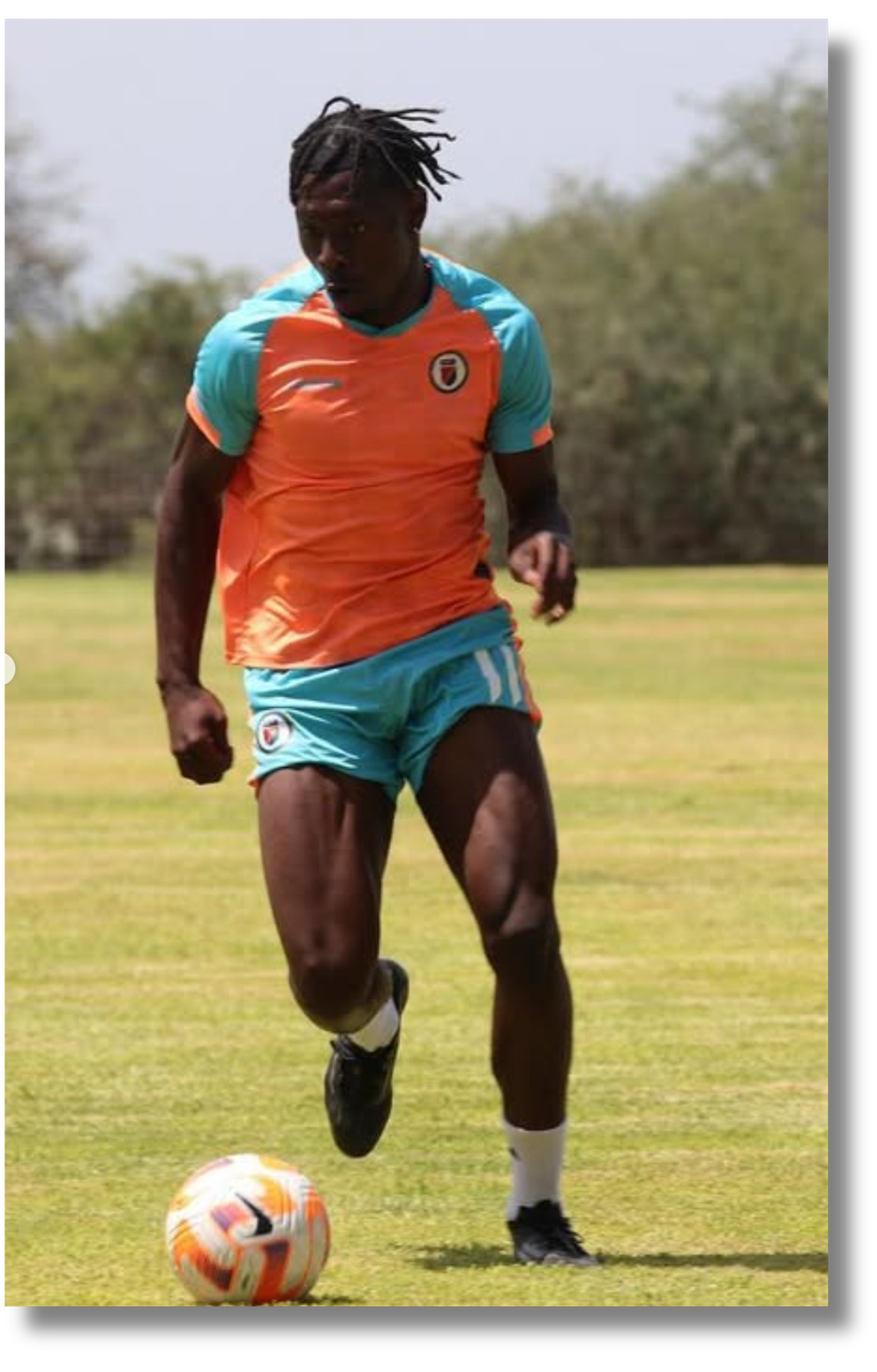
Seth Powder carrying the ball in match play02 · TO THE GAME

REVEAL THE
PLAYER.

The game is where daily habits, training behaviors, and foundational qualities become performance. The player must see the game, understand the problem, decide consistently, execute under pressure, move with purpose, and contribute to the team.

The development pathway

BUILD IT.
APPLY IT.

Each stage gives the player a clear purpose and a question they can use to take ownership of development.

01

Foundation

Establish the values and environment required to develop.

Who am I as a player, teammate, and person?
02

Routine

Build repeatable preparation, game-day, and recovery actions.

What do I do before, during, and after practice and games?
03

Habits and standards

Turn routines into independent, consistent behaviors.

Can I meet the standard without reminders?
04

Foundational concepts

Develop the qualities required to understand, execute, compete, and contribute.

What do I need to become a complete player?
05

Practice application

Repeat the concepts in a learning environment with increasing challenge.

Can I build the behavior in practice?
06

Game application

Apply the concepts under pressure and changing conditions.

Can I use the behavior when the game demands it?

The player’s daily training routine

OWN THE
PROCESS.

I arrive early, prepared, focused, and ready to train. I take responsibility for my equipment, body, mindset, and technical preparation. The elite player owns the process.

01

Respect program culture

Respect people, equipment, facilities, coaches, decisions, and the game. Encourage teammates and leave the environment better than you found it.

02

Build a relationship with the ball

Reconnect through juggling, ball mastery, both-foot touches, turns, passing, receiving, keep-up, or rondo work.

03

Technical engagement

Own every touch. Work on ball mastery, first touch, passing, receiving, and weak-foot actions with intention.

04

Activation and movement

Prepare balance, stability, posture, acceleration, deceleration, change of direction, and reactive football movement.

05

Recovery

Hydrate, refuel, cool down, communicate pain early, sleep well, and prepare equipment and mindset for the next session.

The training session

PREPARE → IDENTIFY → DEVELOP
APPLY → COMPETE → REFLECT

A strong session moves the player from readiness to learning and from learning to application. The aim is not to complete more drills; it is to improve one or two priority actions that transfer into games.

01

Player check-in

Review readiness, soreness, confidence, match performance, training load, injury concerns, position, and the session priority.

02

Individual goal

Set one clear target linked to performance: receiving, weak-foot passing, turning, defending, finishing, scanning, acceleration, or transition response.

03

Game problem

Connect every action to a realistic question the player must solve in competition.

04

Technical foundation

Build mechanics, confidence, and repetition before increasing pressure, speed, and opposition.

05

Coachability

Listen, adjust on the next action, accept feedback professionally, and take ownership of contribution to the team.

Transformation to the game

SEE IT.
SOLVE IT.

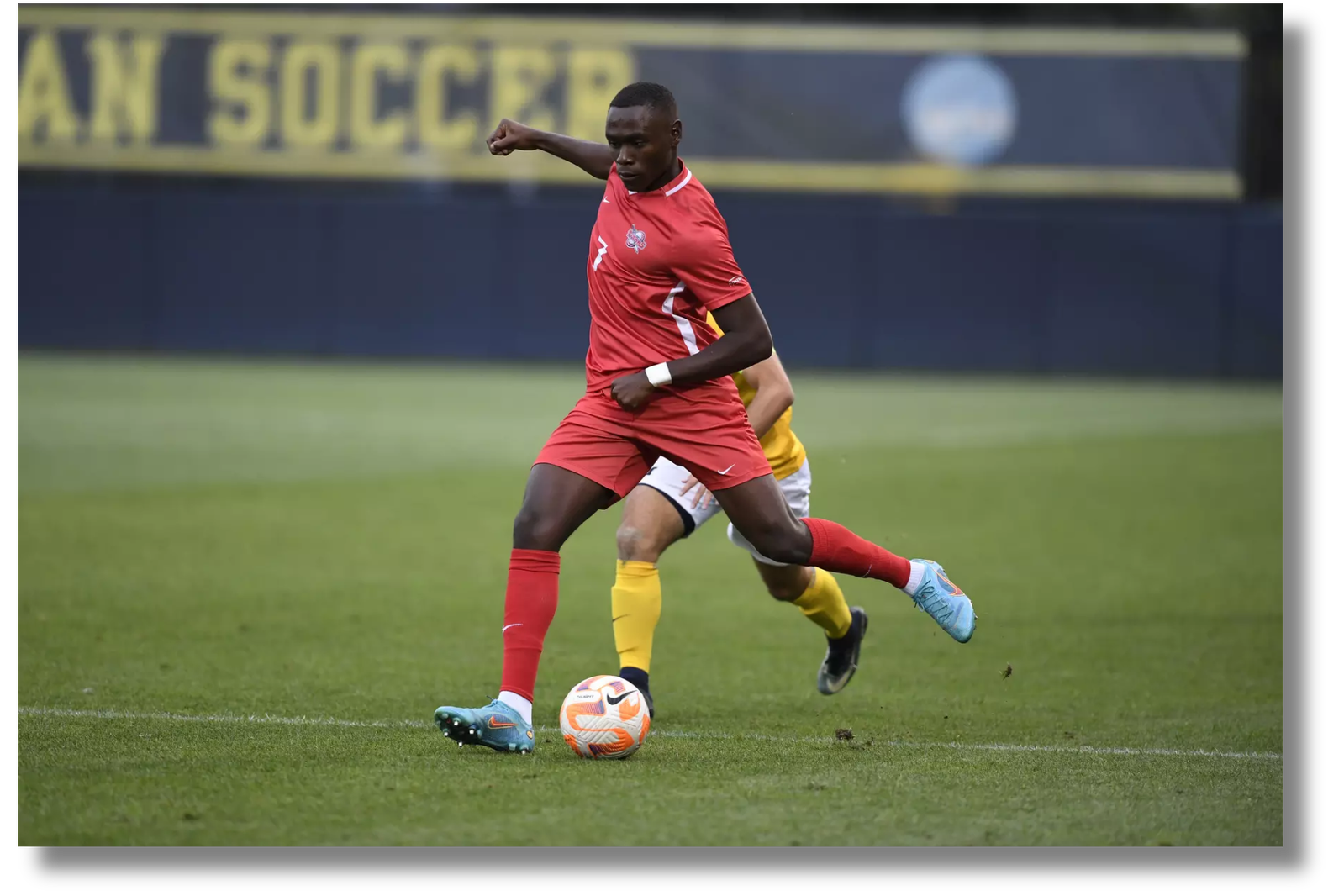
Samory Powder applying his development in match play
01 · READINESS

Arrive ready

Be physically, mentally, emotionally, and tactically prepared from the first whistle.

Am I ready to make an impact?
02 · SEE

Gather information

Recognize the ball, space, teammates, opponents, goal, pressure, and game state.

What do I see around me?
03 · UNDERSTAND

Read the picture

Identify danger, opportunity, tactical priorities, numbers, and available space.

What is the game telling me?
04 · DECIDE

Choose the action

Select the best response for the information available and the team’s need.

What is right at this moment?
05 · CONNECT

Serve the team

Support, communicate, cover, organize, and prioritize collective success.

How can I make the team better?
06 · MOVE

Use the space

Create, use, protect, or deny space with and without the ball.

Where do I need to move?
07 · EXECUTE

Deliver under pressure

Apply technique with quality, speed, composure, and purpose against opposition.

Can I deliver the action?
08 · REFLECT

Carry the lesson

Review honestly, identify learning, and bring the lesson into the next session.

What will I repeat or improve?

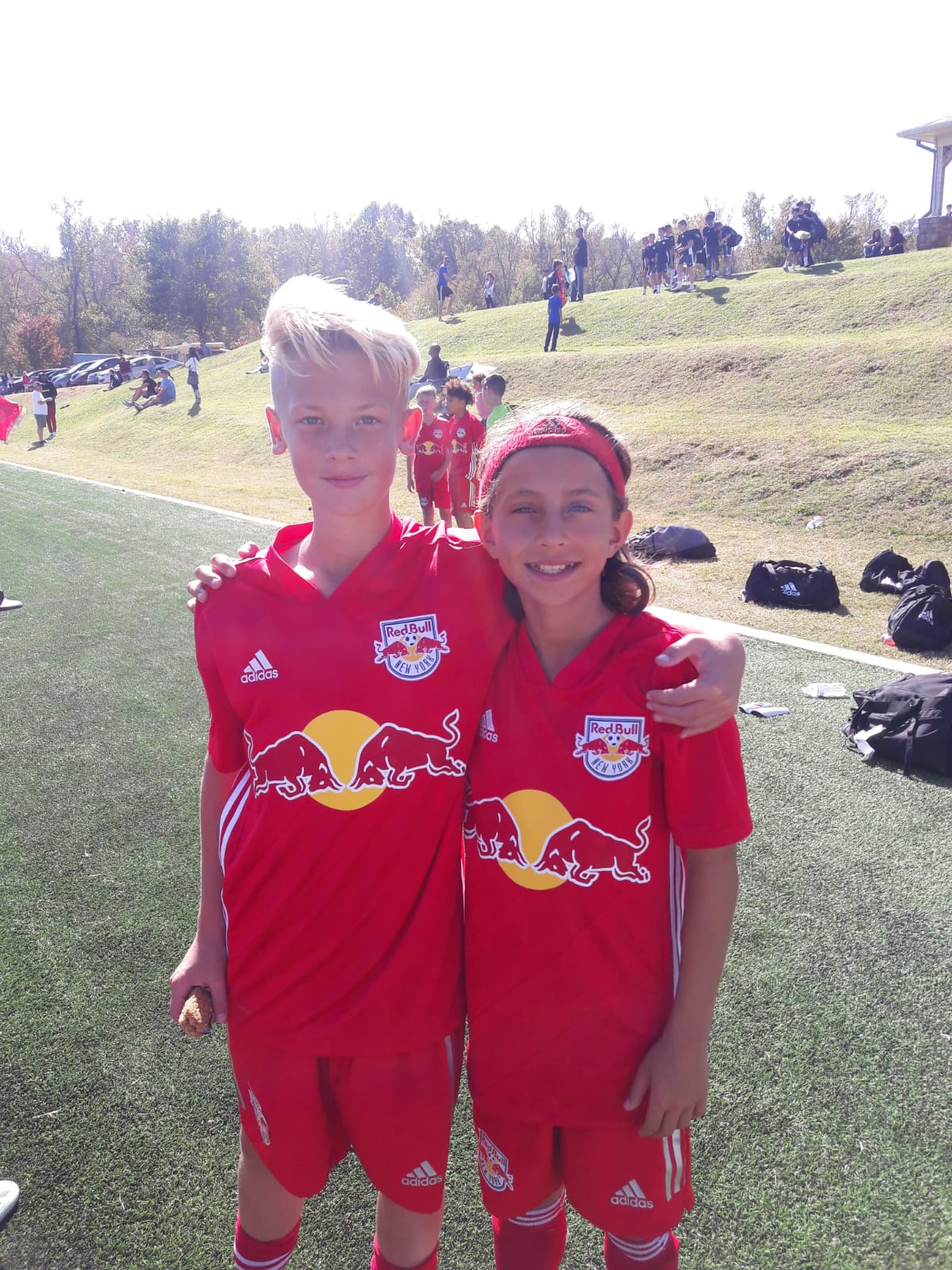
A young player working through a development exercise

At Vasco Da Lor

TRAINING BUILDS
THE PLAYER.
THE GAME REVEALS
THE PLAYER.

We develop players who see the game, understand the moment, make the right decision, execute under pressure, compete for the team, and respond positively to every challenge.

Begin the Tier 2 process ↗